

Diabetic Eye Exams: Looking Beyond Changes in Vision
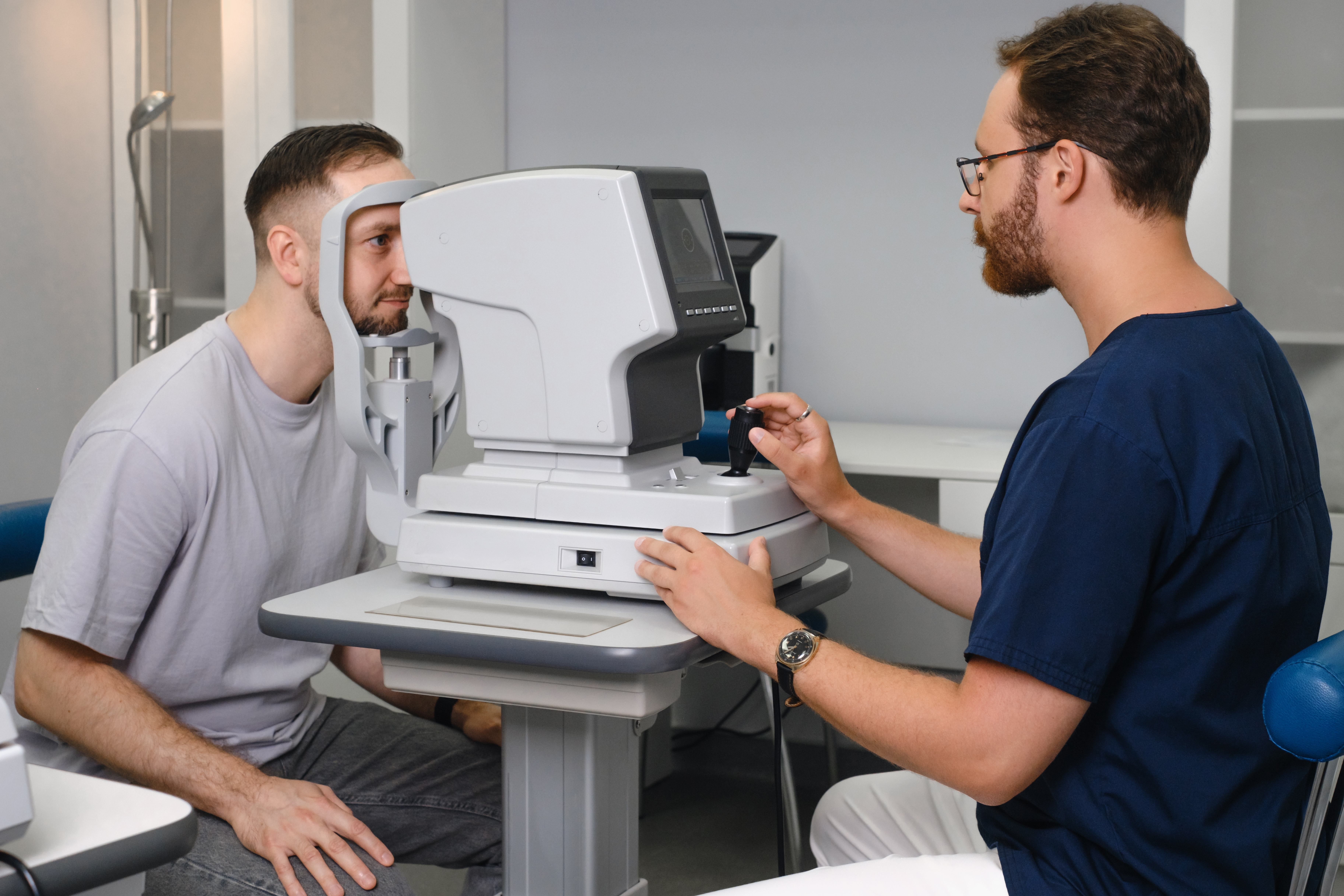
If you have diabetes and your vision seems clear, it can be easy to assume your eyes are healthy. However, diabetes can affect the retina long before noticeable vision changes develop. That is why regular diabetic eye exams are an important part of protecting your long-term eye health.
At EyeDeal Eyecare in Prosper, we provide diabetic eye exams that look beyond how clearly you can read an eye chart. By evaluating the retina, blood vessels, and other structures inside the eye, we can look for changes that may require monitoring or additional care.
How Can Diabetes Affect the Eyes?
Over time, elevated blood sugar can damage small blood vessels throughout the body, including those in the retina. This can lead to diabetic retinopathy, a condition in which retinal blood vessels may weaken, leak, or develop other abnormal changes.
Diabetes can also increase the risk of diabetic macular edema, cataracts, and glaucoma.
One of the challenges with diabetic retinopathy is that early stages may not cause obvious symptoms. You may still drive, read, and work comfortably while changes are developing inside the eye.
What Happens During a Diabetic Eye Exam?
A diabetic eye exam includes a detailed review of your vision and eye health. We also consider your medical history, medications, diabetes history, and any symptoms you have noticed.
Depending on your individual needs, we may evaluate:
Your visual acuity and current prescription
The retina and its blood vessels
The macula, which provides detailed central vision
The optic nerve and eye pressure
Changes compared with previous eye examinations
Pupil dilation or additional testing may also be recommended when a more detailed view of the inside of the eye is necessary.
How Does Retinal Imaging Help?
At our Prosper practice, we use Optos optomap retinal imaging to capture detailed images of the back of the eye. These images allow us to document the retina and look for findings that may be associated with diabetic eye disease.
Retinal imaging is also useful for monitoring changes over time. Comparing current images with previous examinations can help us determine whether the retina appears stable or whether new findings need closer attention.
Imaging does not replace every part of a comprehensive diabetic eye examination. Depending on your history and findings, dilation may still be recommended.
How Often Should You Have a Diabetic Eye Exam?
People with diabetes generally need regular comprehensive eye examinations, commonly at least once each year. Your recommended schedule may be more frequent if diabetic retinopathy or another eye condition has already been detected.
Do not wait until you notice blurry vision before scheduling care. Regular monitoring is valuable precisely because early diabetic eye disease may develop without symptoms.
Managing blood sugar, blood pressure, and cholesterol according to your healthcare provider's recommendations can also support long-term eye health. Your eye care works alongside your overall diabetes management.
What Vision Changes Need Prompt Attention?
Although diabetic retinopathy may begin silently, later symptoms can include blurry or fluctuating vision, dark spots, new floaters, or missing areas in your field of vision.
Sudden vision loss, flashes of light, a rapid increase in floaters, or a curtain-like shadow across your vision requires urgent evaluation rather than waiting for your next routine diabetic eye exam.
Even when your eyesight feels unchanged, your retina may still need monitoring. A diabetic eye exam gives us a clearer picture of what is happening inside your eyes and helps us identify changes before they become more advanced.
If you have diabetes and are due for an eye health evaluation, contact EyeDeal Eyecare at 4940 W University Dr., Suite 70, Prosper, TX 75078 by calling (972) 430-4600 to schedule your diabetic eye exam.


Eye Exams
Specialty Eye Care
Brands
Patient Center
Hours of Operation
- Monday 1:00pm - 5:30pm
- Tuesday 8:30am - 5:30pm
- Wednesday 10:00am - 6:00pm
- Thursday 8:30am - 5:30pm
- Friday 8:30am - 5:30pm
- Saturday Closed
- Sunday Closed
- Closed on the following holidays:New Year's Day, Memorial Day, Fourth of July, Labor Day, Thanksgiving Day, and Christmas Day.
© 2026 Eyedeal Eyecare. All rights Reserved. Accessibility Statement - Privacy Policy - Terms & Conditions - Sitemap
Powered by:
