

How IPL Light Physics Targets the Root Cause of Evaporative Dry Eye
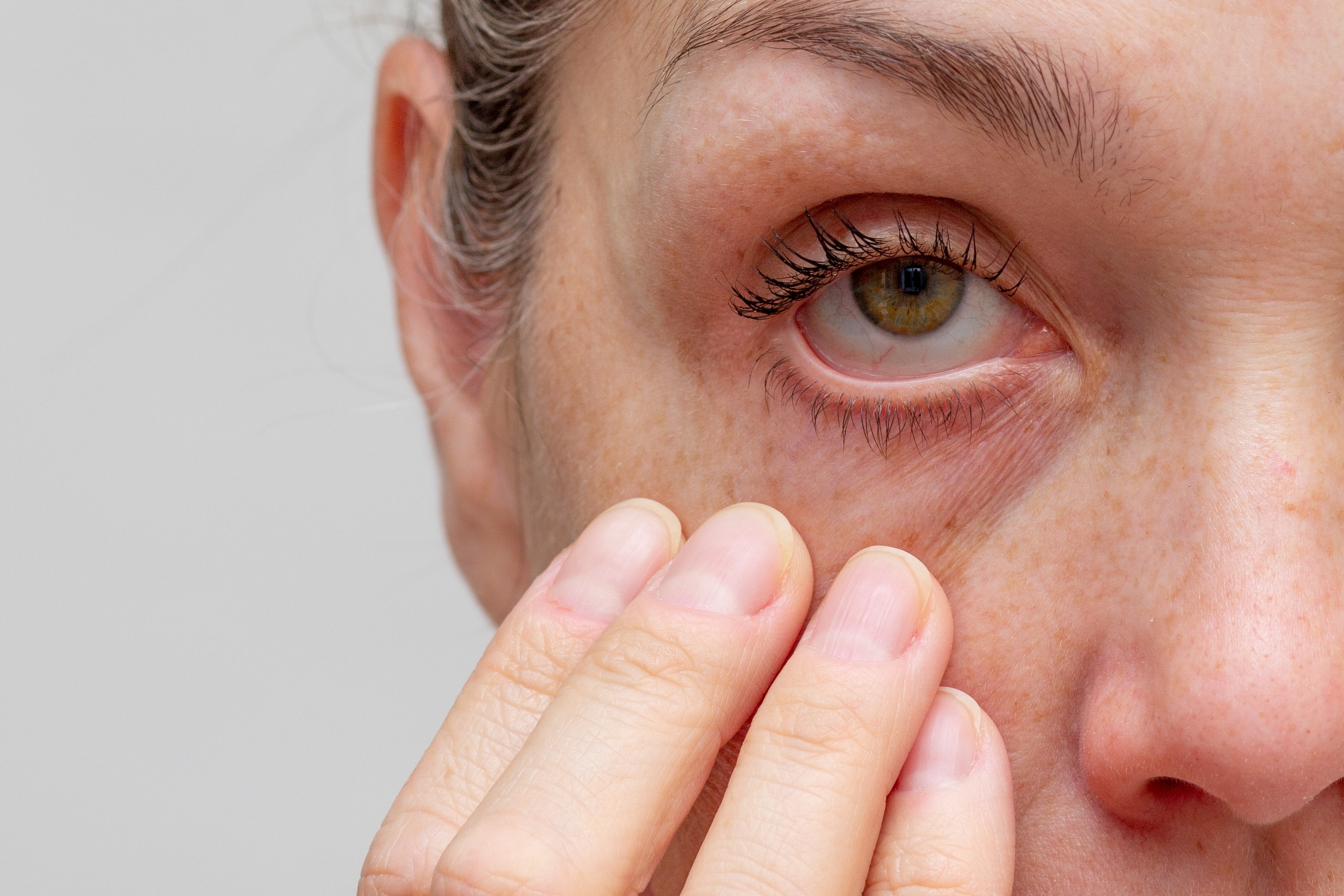
Evaporative dry eye is not simply a lack of tears. In many cases, it begins when the meibomian glands along the eyelids stop releasing enough healthy oil. Without this protective oil layer, tears evaporate too quickly, leaving the eyes irritated, watery, gritty, red, or sensitive to light. OptiLight intense pulsed light therapy is designed to address the inflammation and gland dysfunction behind these symptoms rather than providing only temporary surface relief.
How Evaporative Dry Eye Develops
The meibomian glands produce oils that slow tear evaporation and keep the tear film stable. When these glands become blocked or inflamed, the oil can thicken and stop flowing normally. This condition is known as meibomian gland dysfunction, or MGD, and it is a common cause of evaporative dry eye.
Inflammation can create a continuing cycle. Irritated tissue contributes to abnormal blood vessels around the eyelids, and those vessels may carry additional inflammatory substances to the ocular surface. As inflammation increases, gland function can decline further and symptoms may become more persistent.
The Physics Behind OptiLight IPL
OptiLight delivers carefully controlled pulses of broad-spectrum light to the skin below the eyes. Different structures absorb different wavelengths of light. This principle allows IPL energy to target specific chromophores, including oxyhemoglobin within small, abnormal blood vessels.
When the light is absorbed, it converts into controlled heat. This process helps reduce abnormal vessels that can contribute to inflammation around the eyelids. The thermal effect may also soften thickened meibum, helping the natural oils inside the glands flow more effectively.
OptiLight uses patented pulse technology to deliver consistent, precisely controlled light energy. Protective eyewear is used throughout the procedure, and treatment settings are selected according to the patient’s skin type and clinical needs.
How IPL Supports a Healthier Tear Film
By targeting inflammation and supporting meibomian gland function, IPL can help improve the quality of the tear film. Potential benefits may include:
- Reduced burning, redness, and irritation
- Better flow of natural oils from the meibomian glands
- Slower tear evaporation
- Improved tear film stability
- Greater comfort during reading, computer use, and contact lens wear
The goal is not to add artificial moisture for a few minutes. It is to improve the conditions that allow the eyes to maintain a healthier, more stable tear film.
Why Proper Dry Eye Testing Matters
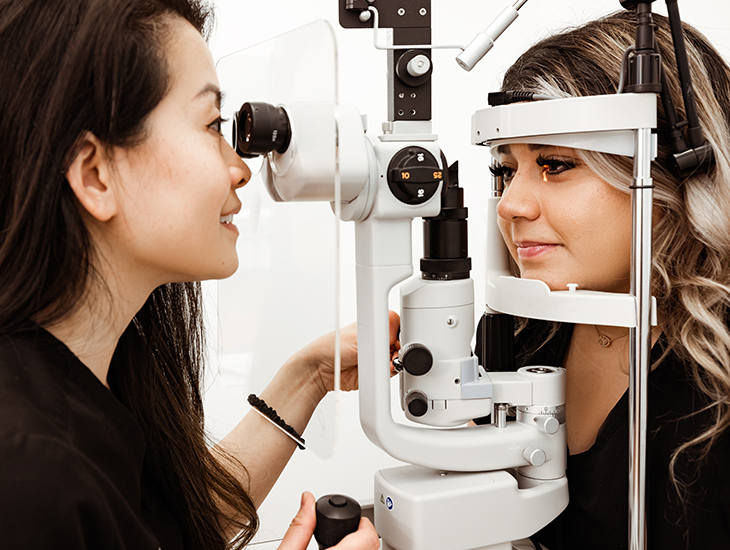
Dry eye disease has several possible causes, so IPL is not automatically the right treatment for every patient. A detailed dry eye evaluation can help determine whether MGD, eyelid inflammation, tear deficiency, environmental factors, or another condition is contributing to discomfort.
At Eyedeal Eyecare, we evaluate the ocular surface and develop treatment recommendations based on each patient’s findings. For patients in Prosper experiencing ongoing dry eye symptoms, OptiLight may be included as part of a personalized treatment plan alongside eyelid hygiene, lubricating drops, gland expression, punctal plugs, or specialty contact lenses.
What to Expect From OptiLight Treatment
OptiLight is performed in the office and typically involves a series of treatment sessions. The number and timing of visits depend on the severity of gland dysfunction, the condition of the eyelids, and how the eyes respond. Maintenance care may also be recommended to help preserve results.
Experience more comfortable, refreshed eyes by scheduling a dry eye evaluation with Eyedeal Eyecare in Prosper, Texas, at (972) 430-4600.

Eye Exams
Specialty Eye Care
Brands
Patient Center
Hours of Operation
- Monday 1:00pm - 5:30pm
- Tuesday 8:30am - 5:30pm
- Wednesday 10:00am - 6:00pm
- Thursday 8:30am - 5:30pm
- Friday 8:30am - 5:30pm
- Saturday Closed
- Sunday Closed
- Closed on the following holidays:New Year's Day, Memorial Day, Fourth of July, Labor Day, Thanksgiving Day, and Christmas Day.
© 2026 Eyedeal Eyecare. All rights Reserved. Accessibility Statement - Privacy Policy - Terms & Conditions - Sitemap
Powered by:
